Cherry Hill content restoration specialists
Save the belongings the water reached
Inventory and photograph damaged contents before cleanup crews discard items your claim may cover.
Cherry Hill content restoration specialists
Inventory and photograph damaged contents before cleanup crews discard items your claim may cover.
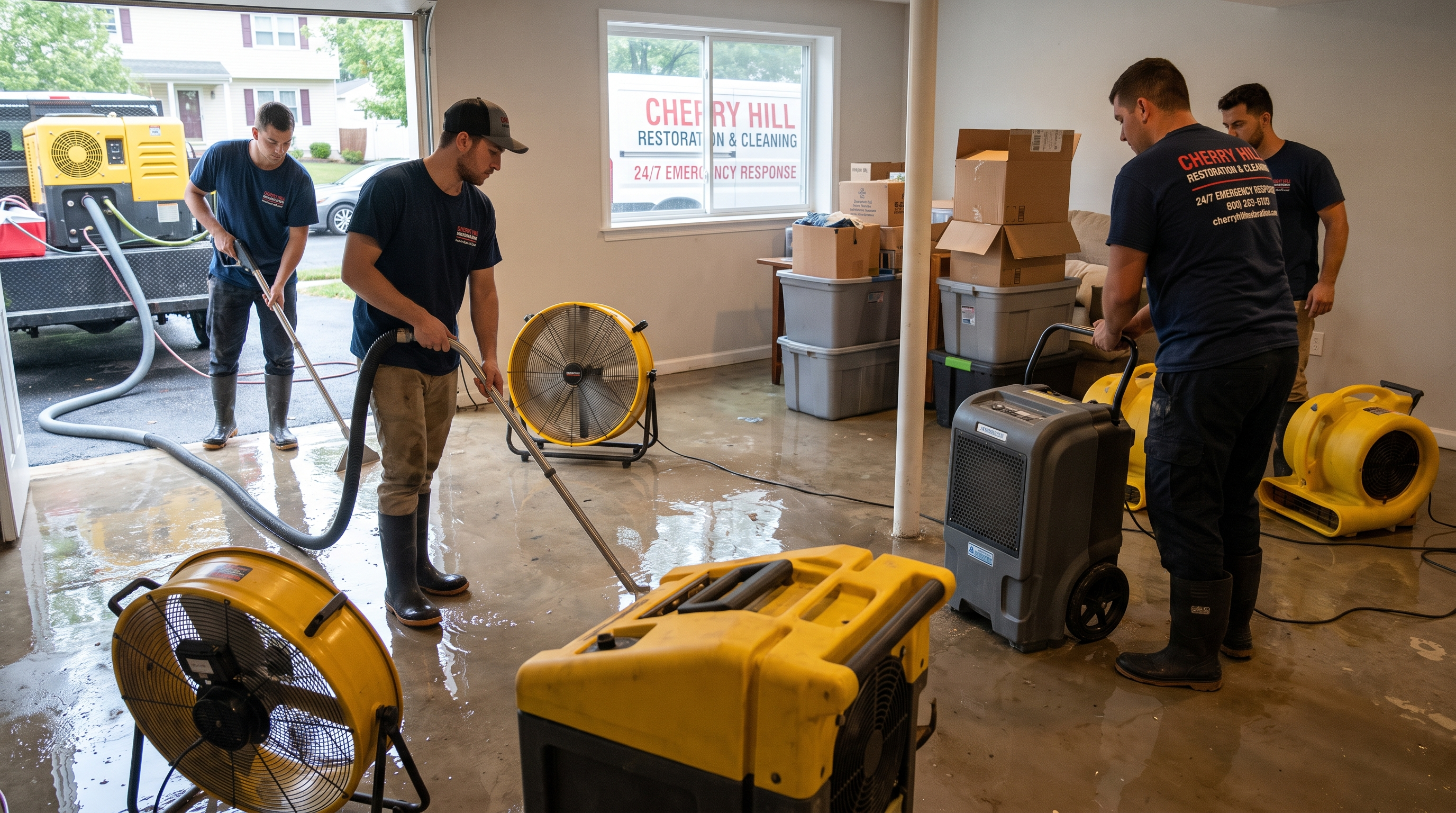
After a basement flood, homeowners often focus on drywall and flooring while damaged belongings sit in boxes, cabinets, closets, and storage bins. Furniture, electronics, documents, rugs, tools, toys, photos, and seasonal items can represent a large part of the loss.
Content restoration starts with inventory. Items should be photographed, categorized, and marked for cleaning, drying, specialty restoration, storage, or replacement. That record matters because personal property coverage often applies to contents, yet homeowners can miss it when they throw wet items away too soon.
Cherry Hill basements tend to store the things families do not want upstairs: old documents, school records, holiday decor, extra furniture, and electronics. Water from a sump pump failure can sit low enough to ruin contents without damaging every wall in the room.
Some items can be dried, cleaned, deodorized, or handled by a specialty vendor. Electronics and documents need quick decisions. Sewage contaminated contents require stricter disposal and cleaning standards than clean water contents.
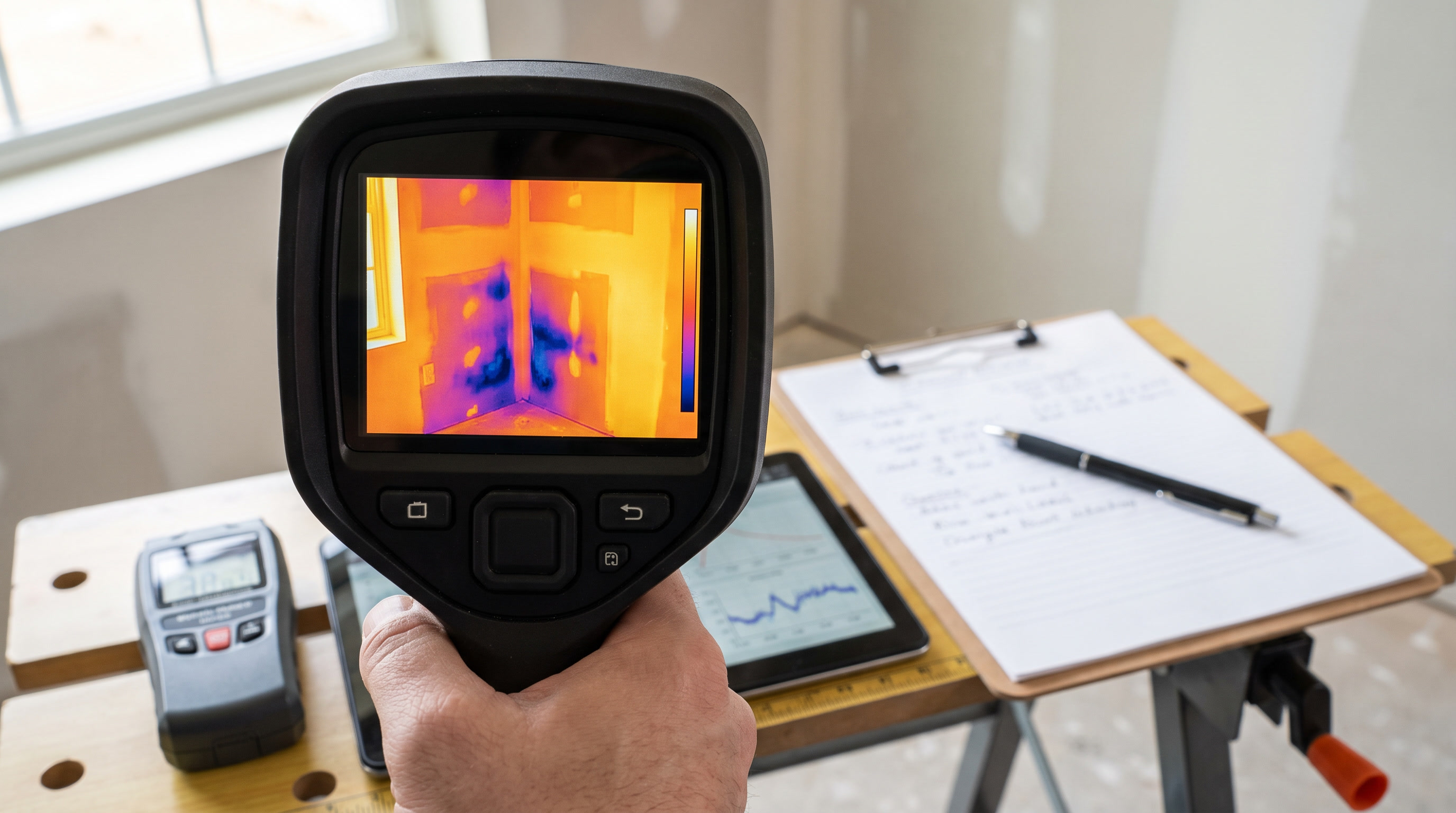
Content restoration protects the personal property side of the claim and separates salvageable items from total losses.
The contractor records damaged items by room, category, and condition. Photos and lists help the homeowner discuss personal property coverage with the carrier.
Furniture, rugs, clothing, books, electronics, and documents are reviewed for cleaning potential. The water category, material type, and time wet shape the decision.
Salvageable contents may need to leave the wet area while drying and repairs continue. Contaminated or total loss items should be documented before disposal.
Water damage contents often fall under the personal property portion of the policy. The contractor match helps homeowners ask about contents instead of treating belongings as cleanup debris.
Cherry Hill homes often keep documents, electronics, and furniture in finished lower levels. Those items need fast documentation before humidity and contamination reduce salvage options.
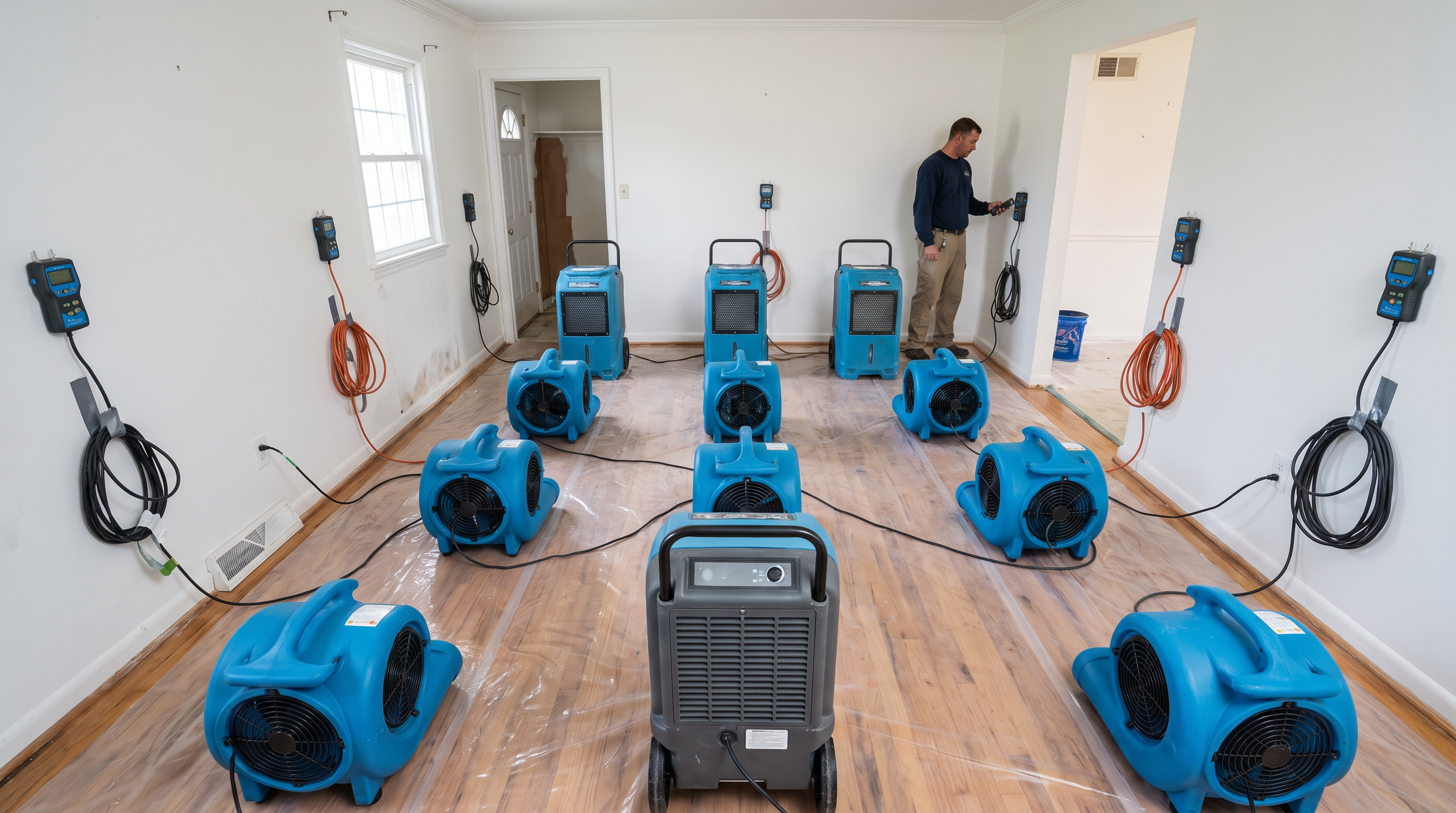
Photograph contents first, then ask what can be restored.
Free — no obligations
Damaged contents are photographed and listed before removal, cleaning, or disposal begins.
The contractor separates items that may be cleaned or dried from items that likely need replacement.
Contents are cleaned on site, moved for specialty handling, stored, or prepared for disposal based on the scope.
The inventory, photos, and disposition notes help support the personal property portion of the claim.